The dress code in Botswana varies depending on the context, location, and occasion. While Botswana is a relatively conservative society, especially in rural areas and traditional communities, there is also a blend of modern and traditional attire influenced by urbanization and globalization.
Overall, when considering the dress code in Botswana, it's essential to respect local customs, traditions, and cultural sensitivities. Dressing modestly and appropriately for the occasion demonstrates respect for the host country's culture and enhances positive interactions with locals.
Here's an overview of the typical dress code in different settings:
1. Botswana Traditional Attire
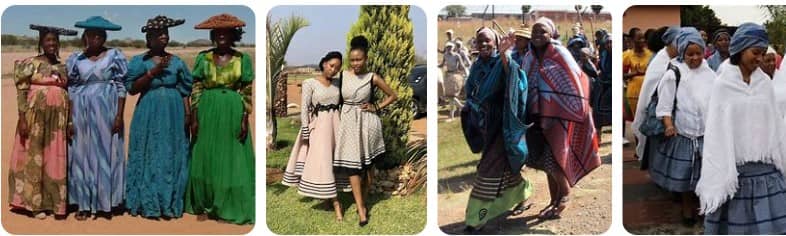
Traditional Attire: Traditional clothing is commonly worn during cultural events, ceremonies, and special occasions, showcasing the diverse ethnic heritage of Botswana's population. Traditional attire varies among ethnic groups but often includes colorful fabrics, intricate patterns, and symbolic accessories. For example, Tswana traditional attire for women may consist of wraparound skirts (tshogwane) and blouses (mephato), while men may wear sleeveless tops (tshila) with pants and traditional hats (tswana). Traditional attire is also worn during weddings, initiation ceremonies, and other cultural celebrations. Traditional Attire
2. Botswana Outdoor Activities
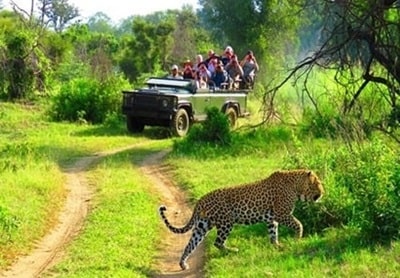
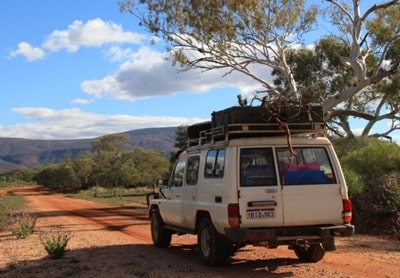
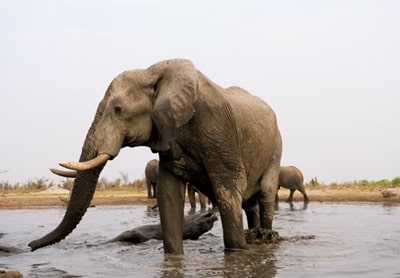
Outdoor Activities: Botswana's outdoor activities, such as safaris, hiking, or exploring national parks, require practical and comfortable clothing suitable for the climate and terrain. Light, breathable fabrics, such as cotton or moisture-wicking materials, are recommended, along with sturdy footwear, hats, sunglasses, and sunscreen for sun protection. Neutral-colored clothing may be preferable for wildlife viewing to avoid attracting insects or startling animals.
3. Botswana Formal Wear
Formal Wear: In formal settings such as business meetings, official events, or religious services, business attire or formal wear is appropriate. For men, this typically means suits, dress shirts, and ties, while women may opt for dresses, skirts, or pantsuits. Conservative attire is generally preferred, with modest clothing that covers shoulders, chest, and legs. Accessories should be understated, and closed-toe shoes are often preferred.
4. Botswana Bride's Attire
Bride's Attire: The bride typically wears traditional attire for the wedding ceremony, which may vary depending on her ethnic background and cultural traditions. For example, Tswana brides may wear colorful sets of clothing called tshogwane, while Herero brides may don voluminous dresses and elaborate headgear known as ohorokwe.
5. Botswana Casual Wear
Casual Wear: Casual attire is suitable for everyday activities, social gatherings, and leisure outings. This may include jeans, T-shirts, blouses, skirts, shorts, or casual dresses. In urban areas, people may dress more casually, while in rural areas or traditional communities, conservative clothing is often preferred. It's essential to consider cultural norms and dress modestly, avoiding overly revealing or provocative clothing.
6. Botswana Religious Attire
Religious Attire: If visiting religious sites or attending religious ceremonies, it's respectful to dress modestly and adhere to any specific dress codes or customs observed by the religious community. For example, in mosques, both men and women are typically required to cover their shoulders, arms, and legs, and women may be required to wear headscarves.
7. Botswana Special Events
Special Events: For special events such as weddings, festivals, or cultural performances, guests may dress up in their finest attire to celebrate the occasion. This may include formal or semi-formal clothing, traditional attire, or attire that reflects the theme or dress code specified for the event.
8. Botswana Modern Influences
Modern Influences: While Botswana's culture is rooted in tradition, it also embraces modern influences from globalization, urbanization, and technological advancements. Urban centers such as Gaborone and Francistown are hubs of contemporary culture, with modern art, music, fashion, and cuisine blending with traditional elements. Modern Influences

 For the most recent updates on travel entry requirements for Africa or any specific country within Africa, please refer to the latest information.






 t
t
 f
f
 I
I