Customs and traditions in Botswana encompass a diverse range of cultural practices, social norms, and rituals that have been passed down through generations and shape daily life in the country. These customs and traditions reflect Botswana's rich cultural heritage, ethnic diversity, and values.
These customs and traditions contribute to the rich tapestry of Botswana's cultural identity, fostering a sense of belonging, unity, and shared heritage among its people. While modernization and globalization have influenced some aspects of traditional practices, customs and traditions continue to play a vital role in shaping the social fabric and values of Botswana's society.
Here are some notable customs and traditions observed in Botswana:
1. Botswana Respect for Elders
Respect for Elders: Respect for elders is a fundamental value in Botswana's culture, with elders holding a position of authority and wisdom within families and communities. Younger generations are expected to show deference and courtesy towards elders, seeking their guidance and advice on important matters. Respect for Elders
2. Botswana Greeting Customs
Greeting Customs: Greetings are an important part of social interaction in Botswana, with specific customs and etiquette observed when greeting others. Handshakes are common among acquaintances and in formal settings, while close friends and family members may greet each other with hugs or cheek kisses. It is customary to address others with titles such as "Rra" (Mr.) or "Mma" (Mrs.) followed by their surname as a sign of respect.
3. Botswana Hospitality
Hospitality: Hospitality is highly valued in Botswana's culture, and visitors are warmly welcomed and treated with generosity and kindness. It is customary to offer guests food, drinks, and hospitality when they visit homes or communities, reflecting the traditional Setswana values of botho (humaneness) and ubuntu (shared humanity). Hospitality
4. Botswana Ceremonial Customs
Ceremonial Customs: Ceremonies and rituals play a significant role in Botswana's culture, marking important milestones in people's lives and celebrating community ties. Traditional ceremonies such as weddings, initiation rites, and funerals are observed with elaborate rituals, customs, and cultural practices that vary among ethnic groups.
5. Botswana Naming Customs
Naming Customs: Naming customs in Botswana often reflect cultural, familial, and ancestral ties. Children are typically given names with significant meanings or symbolism, often derived from ancestors, family lineage, or life circumstances. Naming ceremonies may be held to welcome newborns into the community and bestow blessings upon them.
6. Botswana Customs around Marriage
Customs around Marriage: Marriage is an important institution in Botswana, and wedding customs vary among ethnic groups. Lobola (bride price) negotiations between families are common, symbolizing the union of two families and the groom's commitment to the bride's family. Wedding ceremonies often involve traditional rituals, blessings, and communal celebrations that reflect the cultural heritage of the couple.
7. Botswana Religious Practices
Religious Practices: Botswana is a diverse country with various religious beliefs and practices observed among its population. Christianity is the dominant religion, with Protestant and Roman Catholic denominations being the most prevalent. Traditional African religions, Islam, and other faiths are also practiced by smaller segments of the population, each with its customs, rituals, and observances.
8. Botswana Community Values
Community Values: Community values such as cooperation, solidarity, and mutual support are deeply ingrained in Botswana's culture. Traditional community-based practices such as communal farming, sharing resources, and collective decision-making reflect the importance of social cohesion and collective responsibility in Botswana's society.
9. Botswana Arts and Cultural Expressions
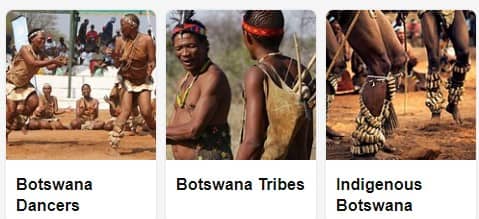
Arts and Cultural Expressions: Arts, music, dance, and storytelling are integral parts of Botswana's cultural heritage, serving as means of expression, identity, and cultural preservation. Traditional music and dance forms, such as the tsutsube dance of the Kalanga people or the setapa dance of the Tswana people, are performed during festivals, ceremonies, and social gatherings.
10. Botswana Environmental Stewardship
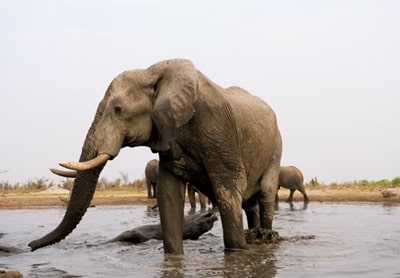
Environmental Stewardship: Botswana's cultural traditions emphasize the interconnectedness between humans and nature, with a strong emphasis on environmental stewardship and conservation. Traditional ecological knowledge, sustainable land management practices, and respect for natural resources are integral aspects of Botswana's cultural heritage, reflecting the country's commitment to preserving its natural environment for future generations.
11. Botswana Modern Influences
Modern Influences: While Botswana's culture is rooted in tradition, it also embraces modern influences from globalization, urbanization, and technological advancements. Urban centers such as Gaborone and Francistown are hubs of contemporary culture, with modern art, music, fashion, and cuisine blending with traditional elements. Modern Influences
12. Botswana National Identity and Pride
National Identity and Pride: Botswana takes pride in its democratic values, political stability, and economic prosperity, which have contributed to a strong sense of national identity and unity among its people. Botswana's culture celebrates its achievements, resilience, and aspirations for a prosperous future.

 For the most recent updates on travel entry requirements for Africa or any specific country within Africa, please refer to the latest information.











 t
t
 f
f
 I
I