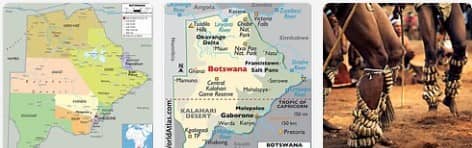
Botswana is characterized by its remarkable ethnic diversity, with various ethnic groups contributing to the country's cultural tapestry and social fabric. While the Tswana people are the largest ethnic group, several other ethnic groups also call Botswana home, each with its unique languages, traditions, and customs.
These are just a few examples of the diverse ethnic groups that contribute to Botswana's cultural mosaic. The country's ethnic diversity enriches its cultural heritage, fosters social cohesion, and promotes a sense of unity and national identity among its people.
Here are some of the major ethnic groups in Botswana:
1. Botswana Tswana
Tswana: The Tswana people are the largest ethnic group in Botswana, comprising a significant majority of the population. They are predominantly found in the eastern and central regions of the country. The Tswana have a rich cultural heritage, known for their traditional music, dance, and craftsmanship. Setswana is the national language of Botswana, spoken by the majority of the population.
2. Botswana Kalanga
Kalanga: The Kalanga people are primarily located in the northeastern regions of Botswana, near the border with Zimbabwe. They have their language, also called Kalanga, and a distinct cultural identity shaped by their history and traditions. The Kalanga are known for their agricultural practices, craftsmanship, and spiritual beliefs.
3. Botswana Herero
Herero: The Herero people are an ethnic group with origins in present-day Namibia and Botswana. They are known for their distinctive traditional attire, characterized by voluminous dresses and elaborate headgear worn by women. The Herero have a rich oral tradition, with storytelling, music, and dance playing significant roles in their cultural expression.
4. Botswana Basarwa (San)
Basarwa (San): The Basarwa, also known as the San people, are one of the indigenous hunter-gatherer communities in Botswana. They have inhabited the region for thousands of years and have a deep connection to the land and natural environment. The San have a rich cultural heritage, with traditional knowledge of wildlife, plants, and survival skills passed down through generations.
5. Botswana Kgalagadi
Kgalagadi: The Kgalagadi people are predominantly found in the Kalahari Desert region of Botswana, where they have adapted to the harsh desert environment as pastoralists and hunter-gatherers. They have a unique cultural identity shaped by their semi-nomadic lifestyle, traditional beliefs, and close relationship with nature.
6. Botswana Bayeyi
Bayeyi: The Bayeyi people are an ethnic group residing in the Okavango Delta region of Botswana, known for their fishing and agricultural practices. They have their language, traditions, and cultural customs influenced by the wetland ecosystem of the Okavango Delta.
7. Botswana Bakalanga
Bakalanga: The Bakalanga people are primarily located in the northeastern regions of Botswana, with a significant presence in the Francistown area. They have their language, culture, and traditions, with a history of mining, agriculture, and trade in the region.
8. Botswana Bakgalagadi
Bakgalagadi: The Bakgalagadi people are indigenous to the Kalahari Desert region of Botswana, where they have adapted to the arid environment as hunter-gatherers and herders. They have their language, culture, and traditions, with a deep connection to the land and wildlife of the Kalahari.
9. Botswana Modern Influences
Modern Influences: While Botswana's culture is rooted in tradition, it also embraces modern influences from globalization, urbanization, and technological advancements. Urban centers such as Gaborone and Francistown are hubs of contemporary culture, with modern art, music, fashion, and cuisine blending with traditional elements. Modern Influences

 For the most recent updates on travel entry requirements for Africa or any specific country within Africa, please refer to the latest information.







 t
t
 f
f
 I
I