Marriage customs in Botswana are deeply rooted in tradition, cultural heritage, and social norms, with ceremonies and rituals varying among different ethnic groups. While there may be variations in customs and practices, some common elements characterize marriage customs across Botswana:
Marriage customs in Botswana are deeply meaningful and culturally significant, reflecting the values, beliefs, and traditions of the diverse ethnic groups that make up the country's cultural mosaic. While modern influences and urbanization may have led to some changes in marriage customs over time, traditional practices continue to play a vital role in shaping weddings and marital unions in Botswana.
Here are some notable Marriage Customs observed in Botswana:
1. Botswana Lobola Negotiations
Lobola Negotiations: Lobola, also known as bride price or bride wealth, is a customary practice in Botswana where the groom's family negotiates with the bride's family for the payment of lobola as a token of appreciation and commitment. The lobola negotiations typically involve discussions about the number of cattle or other gifts to be exchanged, reflecting the cultural significance of marriage and the union of two families.
2. Botswana Betrothal and Engagement
Betrothal and Engagement: Before the wedding ceremony, the families of the bride and groom may engage in formal betrothal rituals to signify the intention to marry. This may involve the exchange of gifts, blessings, and agreements between the families, formalizing the engagement and preparing for the upcoming wedding festivities.
3. Botswana Wedding Ceremonies
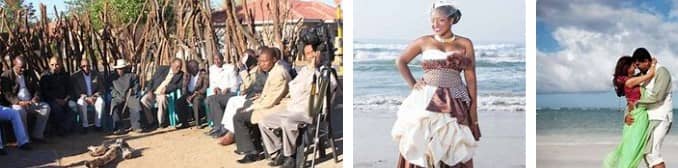
Wedding Ceremonies: Wedding ceremonies in Botswana are joyous occasions marked by elaborate rituals, traditional customs, and communal celebrations. The wedding ceremony may take place in a church, traditional setting, or a combination of both, depending on the preferences and beliefs of the couple and their families.
4. Botswana Bride's Attire
Bride's Attire: The bride typically wears traditional attire for the wedding ceremony, which may vary depending on her ethnic background and cultural traditions. For example, Tswana brides may wear colorful sets of clothing called tshogwane, while Herero brides may don voluminous dresses and elaborate headgear known as ohorokwe.
5. Botswana Exchange of Vows and Rings
Exchange of Vows and Rings: During the wedding ceremony, the couple exchanges vows and rings as symbols of their commitment and love for each other. The vows may be personalized or based on traditional wedding vows, expressing promises of fidelity, support, and lifelong partnership.
6. Botswana Customs around Marriage
Customs around Marriage: Marriage is an important institution in Botswana, and wedding customs vary among ethnic groups. Lobola (bride price) negotiations between families are common, symbolizing the union of two families and the groom's commitment to the bride's family. Wedding ceremonies often involve traditional rituals, blessings, and communal celebrations that reflect the cultural heritage of the couple.
7. Botswana Community Celebrations
Community Celebrations: Weddings in Botswana are community affairs, with family members, friends, and neighbors coming together to celebrate the union of the couple. Festivities may include singing, dancing, feasting, and traditional performances, creating a festive atmosphere of joy and camaraderie.
8. Botswana Ceremonial Feasting
Ceremonial Feasting: Food plays a central role in wedding celebrations, with elaborate feasts prepared to honor the newlyweds and their guests. Traditional dishes such as seswaa (shredded meat), pap (maize porridge), morogo (wild greens), and bogobe (sorghum porridge) may be served alongside modern favorites to cater to the diverse tastes of attendees.
9. Botswana Family Blessings and Advice
Family Blessings and Advice: Elders and family members may offer blessings, advice, and words of wisdom to the newly married couple, imparting guidance and support as they embark on their journey together. These blessings often reflect cultural values, familial expectations, and hopes for the couple's future happiness and prosperity.
10. Botswana Gift Giving
Gift Giving: Guests may present gifts, money, or other tokens of congratulations to the newlyweds as a gesture of goodwill and support. These gifts symbolize blessings, well wishes, and contributions to the couple's new life together, reinforcing social bonds and reciprocity within the community.
11. Botswana Post-Wedding Traditions
Post-Wedding Traditions: After the wedding ceremony, the newlyweds may participate in various post-wedding traditions and customs, such as visiting ancestral gravesites, receiving blessings from elders, or hosting additional celebrations with family and friends to commemorate their union.
12. Botswana Modern Influences
Modern Influences: While Botswana's culture is rooted in tradition, it also embraces modern influences from globalization, urbanization, and technological advancements. Urban centers such as Gaborone and Francistown are hubs of contemporary culture, with modern art, music, fashion, and cuisine blending with traditional elements. Modern Influences

 For the most recent updates on travel entry requirements for Africa or any specific country within Africa, please refer to the latest information.












 t
t
 f
f
 I
I