Traditional attire in Botswana varies among different ethnic groups, each with its distinct styles, designs, and significance. Clothing plays an important role in cultural identity, social status, and ceremonial occasions.
Traditional attire in Botswana is not only worn on special occasions such as weddings, festivals, and ceremonies but also serves as a symbol of cultural identity, pride, and heritage for the people of Botswana.
Here are some examples of traditional attire worn by various ethnic groups in Botswana:
1. Botswana Tswana Attire
Tswana Attire: The Tswana people, the largest ethnic group in Botswana, have distinctive traditional attire known for its vibrant colors, intricate patterns, and elegant designs. Traditional Tswana attire for women includes the tshogwane, a colorful wraparound skirt worn with a matching blouse or mephato (top). Women may also wear head wraps, beaded necklaces, and accessories such as ditlhake (brass or copper bracelets) and dithaka (anklets). Men traditionally wear the tshila, a sleeveless top, with moshaga (skinny pants) or metsi (long pants) and a tswana (traditional hat).
2. Botswana Khoisan Attire
Khoisan Attire: The San (Basarwa) and other Khoisan groups in Botswana have unique traditional attire adapted to their semi-nomadic lifestyle and desert environment. Traditional Khoisan clothing includes animal skins, hides, and furs worn as loin cloths, skirts, or wraps for both men and women. Accessories such as beads, feathers, and ostrich eggshell jewelry are also commonly worn for decoration and adornment.
3. Botswana Herero Attire
Herero Attire: The Herero people, an ethnic group with origins in present-day Namibia and Botswana, have distinctive traditional attire characterized by voluminous dresses, long skirts, and Victorian-inspired jackets. Women wear elaborate ohorokwe dresses, which feature multiple layers of fabric, pleats, and ruffles, often in bright colors such as red, green, and blue. The otjikaiva (headgear) is a prominent feature of Herero women's attire, symbolizing their cultural identity and pride.
4. Botswana Khalanga Attire
Khalanga Attire: The Khalanga people, who inhabit northeastern Botswana, have traditional attire that reflects their cultural heritage and agricultural lifestyle. Women wear tshega, a wraparound skirt made from colorful fabric, paired with a matching blouse or serobe (long-sleeved top). Head wraps, beaded jewelry, and accessories such as necklaces, bracelets, and anklets are worn for adornment. Men typically wear mokgonyana (short pants) or metsi (long pants) with a matching shirt or bemang (tunic).
5. Botswana Dress Code
Dress Code While Botswana is relatively tolerant of different clothing styles, it's essential to dress modestly, especially in rural areas and when visiting religious sites or cultural events. Avoid wearing revealing clothing or attire with offensive slogans or imagery. see and learn
6. Botswana Kgalagadi Attire
Kgalagadi Traditional attire: The Kgalagadi people, who inhabit the Kalahari Desert region of Botswana, have traditional attire suited to their arid environment and pastoral lifestyle. Both men and women wear tshila (sleeveless tops) or thobane (dresses) made from lightweight fabrics such as cotton or calico. Beadwork, leatherwork, and ostrich eggshell jewelry are common decorative elements used to embellish traditional Kgalagadi attire.
7. Botswana Other Ethnic Attire
Other Ethnic Attire: Botswana is home to several other ethnic groups, each with its traditional attire and cultural practices. For example, the Batswana of eastern Botswana may wear seana marena (traditional blankets) or letoitsi (head wraps) as part of their traditional attire, while the Bayeyi people of the Okavango Delta region may wear beaded necklaces, shells, and brass ornaments as decorative accessories.
8. Botswana Hospitality and Community Values
Hospitality and Community Values: Hospitality is highly valued in Botswana's culture, with a strong emphasis on generosity, kindness, and community spirit. Visitors are warmly welcomed and treated with respect and hospitality, reflecting the traditional Setswana values of botho (humaneness) and ubuntu (shared humanity).
9. Cultural Sensitivity in Botswana
Cultural Sensitivity: Be mindful of cultural sensitivities and avoid topics that may be considered taboo or offensive, such as politics, religion, or personal matters. When visiting rural communities or cultural sites, ask for permission before taking photographs and respect local customs and traditions.
10. Botswana Conservation and Environmental Stewardship
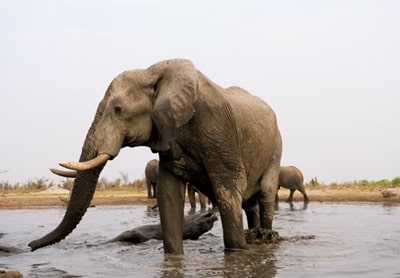
Conservation and Environmental Stewardship: Botswana's culture is closely intertwined with its natural environment, and there is a deep reverence for wildlife, landscapes, and ecosystems. Conservation efforts are prioritized to protect the country's biodiversity and natural resources for future generations, reflecting the cultural values of environmental stewardship and sustainability.
11. Botswana Modern Influences
Modern Influences: While Botswana's culture is rooted in tradition, it also embraces modern influences from globalization, urbanization, and technological advancements. Urban centers such as Gaborone and Francistown are hubs of contemporary culture, with modern art, music, fashion, and cuisine blending with traditional elements. Modern Influences
12. Botswana National Identity and Pride
National Identity and Pride: Botswana takes pride in its democratic values, political stability, and economic prosperity, which have contributed to a strong sense of national identity and unity among its people. Botswana's culture celebrates its achievements, resilience, and aspirations for a prosperous future.


 For the most recent updates on travel entry requirements for Africa or any specific country within Africa, please refer to the latest information.












 t
t
 f
f
 I
I