Ensuring health and safety while visiting Botswana, like any destination, involves being mindful of various factors ranging from personal well-being to environmental considerations.
By taking these precautions and staying informed, you can help ensure a safe and enjoyable experience while exploring the beauty and diversity of Botswana.
Here are some tips to help you stay safe and healthy during your visit to Botswana:
1. Medical Precautions in Botswana
Medical Precautions: Before traveling to Botswana, it's advisable to consult with a healthcare professional regarding any necessary vaccinations or medications. Make sure routine vaccinations are up-to-date and consider additional vaccinations such as hepatitis A and typhoid. Malaria is prevalent in certain areas of Botswana, so anti-malarial medication may be recommended.
2. Stay Hydrated in Botswana
Stay Hydrated: Botswana's climate can be hot and dry, especially during the summer months. Drink plenty of water to stay hydrated, especially if you're spending time outdoors or engaging in physical activities.
3. Sun Protection in Botswana
Sun Protection: Protect yourself from the sun's harmful rays by wearing sunscreen with a high SPF, sunglasses, and a wide-brimmed hat. Seek shade during the hottest parts of the day, typically between 10 am and 4 pm.
4. Food and Water Safety in Botswana
Food and Water Safety: Be cautious about consuming food and water from unknown sources. Stick to bottled water or water that has been boiled or treated. Avoid consuming raw or undercooked foods, and opt for freshly prepared meals from reputable establishments.
5. Insect Protection in Botswana
Insect Protection: Protect yourself against insect bites by wearing long sleeves and pants, using insect repellent containing DEET, and sleeping under mosquito nets if necessary. This is particularly important in malaria-endemic areas.
6. Road Safety in Botswana
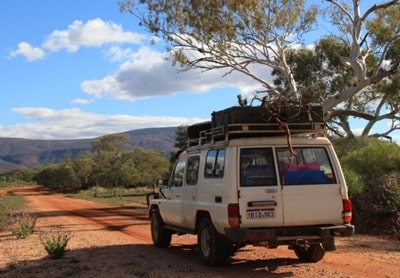
Road Safety: If you're planning to drive in Botswana, familiarize yourself with local traffic laws and road conditions. Exercise caution, especially in rural areas where roads may be unpaved or poorly maintained. Avoid driving at night due to the risk of wildlife and poor visibility.
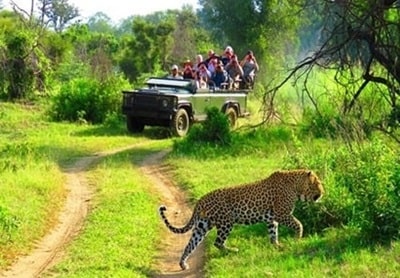
7. Wildlife Encounters in Botswana
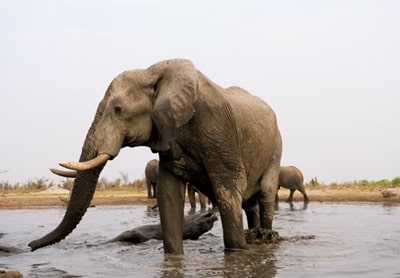
Wildlife Encounters: Botswana is home to diverse wildlife, including large mammals such as elephants, lions, and hippos. Observe wildlife from a safe distance and never approach or attempt to feed wild animals. Follow the guidance of trained guides and rangers during wildlife encounters, especially in national parks and game reserves.
8. Emergency Preparedness in Botswana
Emergency Preparedness: Familiarize yourself with emergency contact numbers and procedures, including the location of the nearest medical facilities and embassies or consulates. Carry a basic first-aid kit and any necessary medications with you at all times.
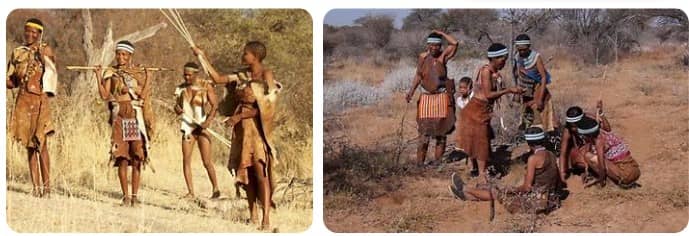
9. Respect Local Customs in Botswana
Respect Local Customs: Familiarize yourself with local customs and cultural sensitivities to avoid unintentionally causing offense. Respect the customs and traditions of the local communities you encounter during your travels. Customs in Botswana
10. Greetings in Botswana
Greetings: In Botswana, greetings are an important part of social interaction and are often accompanied by warm gestures and expressions of respect. Greetings in Botswana
11. Botswana Tour Activities
Botswana Tour: Botswana offers a wide range of activities that cater to different interests and preferences, from thrilling wildlife encounters to cultural experiences and outdoor adventures. Botswana Tour Activities
12. Botswana Dress Code
Dress Code: The dress code in Botswana varies depending on the context, location, and occasion. While Botswana is a relatively conservative society. Botswana Dress Code

 For the most recent updates on travel entry requirements for Africa or any specific country within Africa, please refer to the latest information.






 t
t
 f
f
 I
I