
Angola Cultural Heritage
Angola’s cultural heritage is shaped by its many ethnic communities, regional histories, and Lusophone influence. Across the country, culture is experienced through rhythm, community celebrations, craft traditions, and stories passed down through generations. This guide highlights key cultural pillars you’ll encounter when traveling in Angola—from Luanda’s museums to traditional ceremonies in the interior.
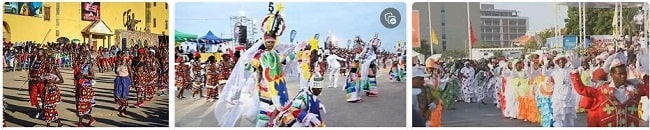
1) Music and Dance
Music is a core expression of Angolan identity. Styles like semba influenced global genres, and modern urban sounds evolved alongside traditional rhythms. Dance is often social and ceremonial—performed at weddings, community gatherings, and cultural celebrations.
- Semba — lively rhythm and dance with deep roots in Angolan communities.
- Kizomba — emerged later with softer, more sensual dance movements.
- Traditional dances — vary by region and community; often tied to rites and festivals.
2) Art and Crafts
Angola’s craft traditions include wood carving, mask-making, and weaving. In many regions, objects are not only decorative but also symbolic—used in ceremonies, storytelling, and community identity.
- Wood sculpture — figurative carving styles are notable in several communities.
- Masks — used in rituals and performances, often representing spirits or ancestors.
- Textiles & baskets — weaving techniques produce colorful, practical, and artistic pieces.
3) Cuisine
Angolan cuisine combines local ingredients with Portuguese influence. Staples commonly include cassava, maize, beans, fish, and stews. If you’re exploring food-focused travel, start with traditional dishes and coastal seafood options.
Related: Angola local dishes
4) Festivals and Celebrations
Festivals often blend modern performance with older community traditions. Parades, costumes, and drum-led dance groups are common features in major city celebrations, while regional ceremonies may focus on ancestral remembrance or seasonal milestones.
- Carnival — colorful parades and performances, especially in larger cities.
- Community rituals — music, storytelling, and dance tied to local traditions.
5) Colonial and Historical Heritage
Angola’s built heritage includes colonial-era structures and fortifications, particularly in coastal cities. Sites in Luanda and Benguela can help travelers understand historical layers alongside contemporary Angolan life.
- Fortress of São Miguel (Luanda) — a landmark overlooking the bay.
- Historic buildings — colonial architecture visible in several coastal districts.
6) Oral Traditions and Folklore
Oral traditions remain central to cultural transmission: myths, legends, proverbs, and folktales pass values and history through storytelling. These narratives often carry moral lessons and community identity.
Luanda travel tips
Luanda weather (quick planning)
Luanda generally experiences a warm climate with a clearer, cooler period typically from May to October and a wetter, more humid period usually from November to April. For up-to-date timing and hourly conditions, check a live forecast before travel. Example: BBC Weather – Luanda
Luanda sightseeing
Popular cultural stops include the Fortress of São Miguel and the National Museum of Anthropology. Markets can also be a strong cultural experience—go with standard travel precautions and ideally during daytime.
Local cuisine in Luanda
Try stew-based dishes and coastal seafood, and look for spots serving traditional staples. If you want a food-focused itinerary, use the dishes guide as a starting point.