
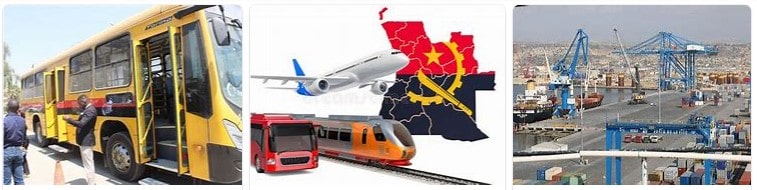
Overview
Transportation in Angola relies on a mix of air, road, and maritime networks. Rail exists on key corridors, including the Luanda Railway (north), Benguela Railway (central), and Moçâmedes Railway (south).
1) Air travel
Luanda’s Quatro de Fevereiro International Airport is the main gateway. Domestic flights connect major cities and regional hubs. Check TAAG for routes and schedules.
2) Road network
Highways around major cities are typically better maintained than rural roads. For long distances and off-road itineraries, a 4x4 is often the safest option. See: World Bank road data.
3) Taxis & minibuses
Taxis are common in cities; agree the price before departure when possible. Minibuses (often called “candongueiros” / “Hiaces”) follow routes with fixed fares but can be crowded. Reference: local transport notes.
4) Car rental
Available in Luanda and key cities. Drive defensively and carry documentation (license + IDP if applicable). Compare options: Angola car rentals.
5) Railways
Rail is significant for passenger and goods transport on a few main lines. The Benguela corridor is particularly important. Background: Rail transport in Angola.
6) Ferries & waterways
Ferries and boats operate on select coastal and river routes (e.g., Luanda ↔ Mussulo Island depending on availability). Angola’s river network includes the Kwanza, Congo, and Cubango.
Angola visa (quick guide)
If you’re traveling to Angola, confirm the current visa rule for your nationality before booking. AfricaTourVisa offers guidance and application support.
Angola visa overview
How to apply online (AfricaTourVisa)
Tip: For remote itineraries, plan extra time buffers—transport delays happen, especially outside major corridors. If you’re unsure about routes, book airport pickup or a vetted driver.