
Overview
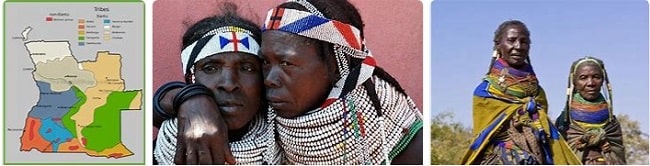
Angola’s communities differ by region, language, historical kingdoms, livelihoods, and artistic styles. You’ll see these influences in music, dance, oral traditions, textiles, carving, ceremonies, and food.
On this page
Major ethnic groups
1) Ovimbundu
Often described as one of Angola’s largest communities, the Ovimbundu are strongly associated with the central highlands. Cultural expression can include local music styles, farming traditions, and regional crafts. Reference: Ovimbundu.
2) Ambundu (Mbundu)
Commonly linked to the north-central region, Ambundu/Mbundu cultural life includes language heritage, craftwork and social traditions. References: Ambundu, Mbundu.
3) Bakongo (Kongo)
Found largely in northern Angola and across neighboring regions, Bakongo/Kongo heritage is known for deep historical roots, religious traditions, and distinctive art forms (including carving and masks in broader Kongo cultural areas). Reference: Kongo people.
4) Lunda & Chokwe (Lunda–Chokwe cultural areas)
In eastern and northeastern Angola, Lunda/Chokwe traditions are often associated with powerful artistic expression (notably masks and carving) and strong ceremonial identity. Reference: Chokwe people.
5) Ngangela (Ganguela)
“Ngangela/Ganguela” is sometimes used as a broad label for several communities in parts of eastern/southeastern Angola. Cultural practices vary by subgroup and locality. Reference: Ganguela.
6) Herero
Herero communities are part of the wider southwestern African cultural landscape, with distinctive dress traditions and pastoral heritage in some regions. Reference: Herero people.
Languages & cultural practices
- Language: Portuguese is widely used in administration and cities; many national languages are spoken regionally.
- Culture: Music, dance, storytelling, and ceremonies differ by province and community.
- Arts & crafts: Carving, textiles, and masks can be region-specific; buy respectfully from legitimate artisans.
- Food: Try local dishes and regional specialties—see Angola dishes.
Travel tips for visitors
Luanda weather
Luanda often has a clearer “dry” period and a wetter season. For a current local forecast, use: BBC Weather (Luanda).
Sightseeing in Luanda
Popular stops can include historic forts and museums, plus local markets. Plan visits with daylight timing and use official guidance where available.
Practical planning links
- Angola Visa
- Angola Visa policy
- Angola Travel Notice
- Angola Tourist Destinations
- Angola Port of Entry
Note: Labels and percentages can vary by source, and many communities include multiple subgroups. This page is a visitor-oriented overview.