
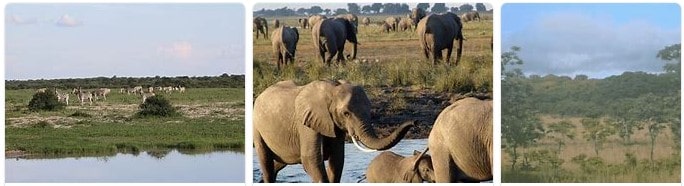
Bicuar National Park (often written “Bicuari”) is a protected wilderness in southwestern Angola. It’s best known for its rugged scenery, big skies, and a sense of isolation that makes it feel like a true backcountry destination. Because logistics can be challenging, most visitors plan with local guides and confirm permits and routes before departure.
Key highlights
1) Remote, off-the-beaten-path experience
Bicuar’s remoteness is the main attraction. Expect fewer crowds, longer drives, and more self-sufficiency than Angola’s more accessible locations. This is the kind of place you visit for quiet landscapes and “wilderness time.”
2) Landscapes and photography
The park’s landscapes can include open grasslands, rocky outcrops, and arid plains. Sunrise/sunset light can be excellent for photography—bring dust protection for gear and plan extra time for road conditions.
3) Wildlife and habitat value
Like many parks in the region, Bicuar’s importance is also conservation-based: protecting habitat, restoring wildlife populations, and supporting long-term biodiversity. Sightings vary by season and conservation activity, so set expectations realistically and rely on local guidance. Helpful reference: Bicuari National Park.
4) Birdwatching
Birdlife is a strong reason to visit—especially if you enjoy raptors, savanna birds, and seasonal migrants. Bring binoculars, a regional checklist, and consider a dawn walk with a guide.
Plan your visit
- Permits & access: confirm entry rules, permitted tracks, and whether a guide is required before you travel.
- Best seasons: many travelers prefer drier months for road access; rainy periods can make routes slow or impassable.
- Supplies: fuel, water, and food planning matters—services can be limited in remote areas.
- Safety: travel with local operators when possible and share itineraries with someone outside your group.
Extra: Luanda basics
Many trips route via Luanda. Check weather before arrival: BBC Weather – Luanda.
For sightseeing ideas and travel support, see: Angola visa & travel help and Angola local dishes.